What an Ofsted Outstanding Rating Really Means for Your Child
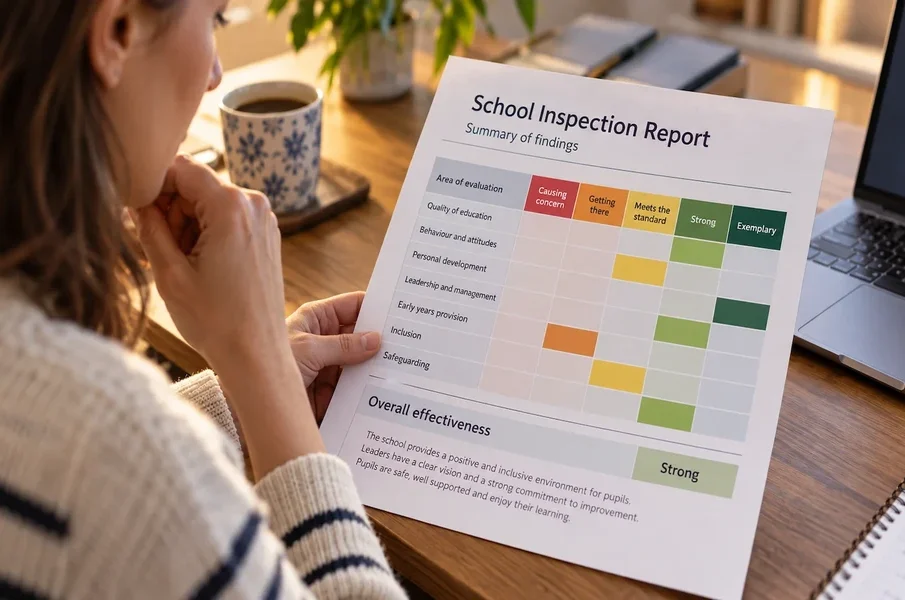
When parents start looking at nurseries, the Ofsted rating is often the first thing they check. It is a useful starting point, but many families are not quite sure what sits behind the headline grade. What does “Outstanding” actually mean day to day, and how can you use an inspection report to make a better decision for your child? Here is a clear guide for parents navigating early years settings in London.
Who Are Ofsted and What Do They Inspect?
Ofsted is the Office for Standards in Education, Children’s Services and Skills. It inspects registered early years providers in England, including nurseries and pre schools, to check that they meet the requirements of the Early Years Foundation Stage (EYFS). The EYFS sets the standards for learning, development and care for children from birth to five.
During an inspection, inspectors spend time observing children and staff, talking to leaders and practitioners, looking at records and speaking with parents. They then judge the setting on several areas, including the quality of education, behaviour and attitudes, personal development, and leadership and management.
Understanding the Grades
Settings have traditionally been graded as Outstanding, Good, Requires Improvement or Inadequate. A Good nursery is meeting the expected standards well. An Outstanding nursery goes further. Inspectors have seen that high quality runs consistently through everything the setting does, from the way staff plan activities to the relationships they build with each child and family.
It is worth remembering that inspection frameworks evolve over time, so always look at the date of the report and read the most recent one available.
Reading Beyond the Headline
The grade gives you the summary, but the written report tells you the story. When you read it, look out for comments on:
- Relationships. Do inspectors describe warm, respectful interactions between staff and children?
- Learning. Is there evidence that staff know each child well and plan activities to move their learning forward?
- Behaviour. Are children described as happy, settled and engaged?
- Partnership with parents. Does the setting keep families informed and involved?
- Safeguarding. Are children’s safety and wellbeing clearly a priority?
Phrases inspectors choose can be revealing. Words like “flourish,” “kindness” and “respect” suggest a culture that goes deeper than ticking boxes.
What Outstanding Looks Like in Practice
When you visit an Outstanding nursery, you will often notice a calm, purposeful atmosphere. Children move confidently between activities, staff get down to their level to talk and listen, and the environment is thoughtfully arranged to invite exploration. There is usually a balance of indoor and outdoor learning, along with spaces for both energetic play and quiet focus.
Knightsbridge Kindergarten in Belgravia is a good example. The independently owned, family run nursery and pre school on Eaton Square has been rated Outstanding by Ofsted, which noted in 2024 that “children flourish in this outstanding setting” and described “genuine respect and kindness” throughout. Designed specifically for children aged two to five, Knightsbridge Kindergarten offers a soft playroom, sensory room and garden, along with weekly Forest School classes in the gardens of Belgrave Square led by a trained Forest School teacher.
Use the Rating as Part of Your Decision
An Outstanding rating is reassuring, but it should be one part of your decision rather than the whole of it. Visit in person, ask questions, watch how children and staff interact, and think about practical factors such as location, hours and the age range the nursery serves. Speak to current parents if you can.
Final Thoughts
Ofsted reports offer a valuable, independent view of a nursery’s quality. By reading them carefully and combining what you learn with your own observations, you can choose a setting where your child will feel safe, valued and excited to learn.