Develop Stronger Critical Thinking Skills Through Integrative Education Models
Information floods every screen daily. Strong judgment matters more than memorized facts. Employers value adaptable thinkers handling layered situations. Students need broader academic exposure before entering competitive industries.
Programs like the SMU integrative studies program encourage analytical habits through interdisciplinary learning. Complex workplaces reward graduates connecting ethics, communication, technology, and research. That intellectual flexibility shapes stronger decisions during uncertain professional environments.
Why do integrative classrooms sharpen reasoning abilities?
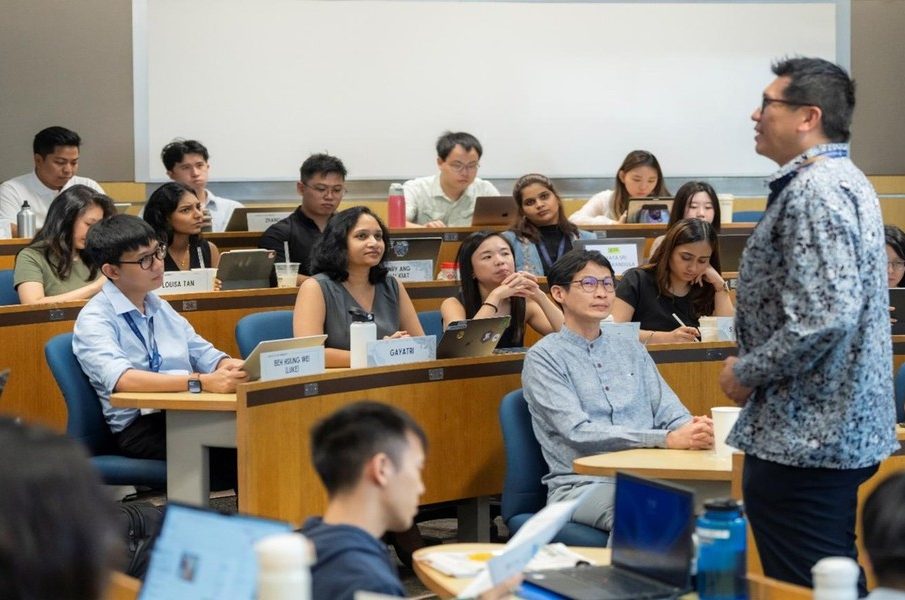
Traditional lectures isolate subjects into disconnected academic territories. Students memorize formulas without decision-making exposure. Integrative learning removes artificial educational boundaries across disciplines. A marketing case may involve psychology, finance, communication, and ethics simultaneously. Students compare perspectives before choosing logical conclusions under realistic conditions. Those evaluations strengthen judgment during unfamiliar workplace challenges later.
Real situations force students toward deeper intellectual evaluation
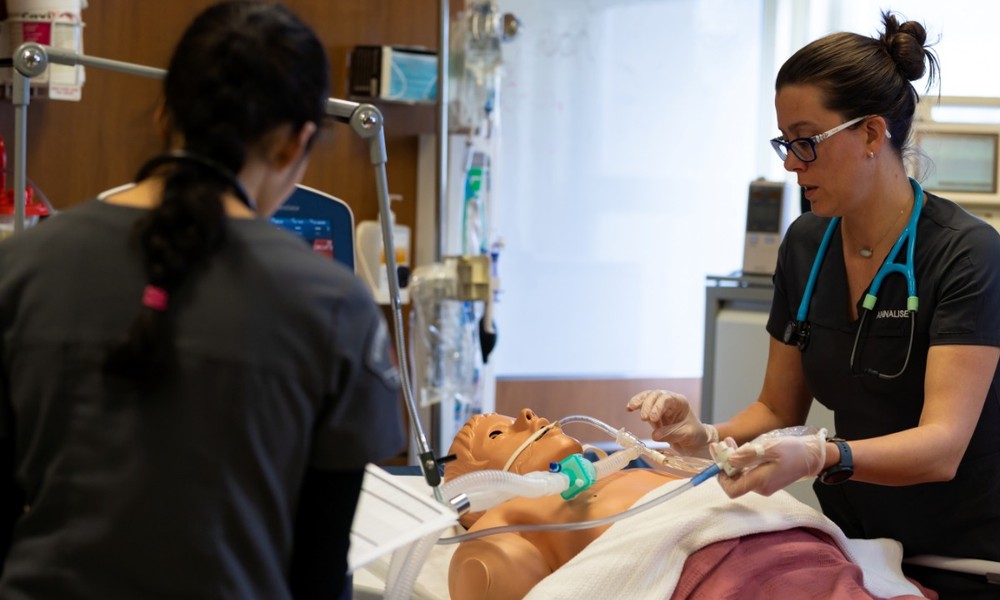
Classroom simulations reveal how interconnected modern industries have become. Healthcare teams balance patient care alongside financial limitations daily. Urban planners examine transportation costs alongside environmental consequences during development projects. Through interdisciplinary assignments, learners evaluate evidence before defending positions. Such experiences encourage intellectual maturity instead of passive information absorption.
- Economic data shapes policy recommendations
- Communication gaps create operational confusion
- Technical decisions affect public trust
- Ethical concerns influence purchasing behavior
What happens when disciplines overlap naturally?
A technology student may examine artificial intelligence alongside legal regulations. Business learners explore behavioral science during leadership training sessions. Those blended perspectives improve pattern recognition across professional environments. Rather than accepting isolated explanations, students question assumptions surrounding broader organizational outcomes.
In the SMU integrative studies program, coursework combines research interpretation with collaborative analysis exercises. Learners examine social impact alongside commercial strategy through interdisciplinary academic projects. Such academic exposure reflects workplace expectations across expanding industries today.
Critical thinking depends upon intellectual adaptability
Rapid industry transformation rewards professionals adjusting perspectives without hesitation. Static thinking creates weak responses during unpredictable economic conditions. Integrative education encourages flexible reasoning through varied academic exposure.
Consider these intellectual benefits:
- Faster analytical responses during uncertainty
- Broader awareness surrounding operational consequences
- Stronger communication across specialized departments
- Sharper interpretation regarding conflicting information
- Better long-term strategic planning abilities
Students practicing interdisciplinary analysis communicate complex concepts more clearly afterward. That clarity strengthens collaboration between technical and nontechnical professionals during important decisions.
How do interdisciplinary models improve workplace readiness?
Modern companies rarely separate departments anymore. Product developers coordinate with financial analysts during launch preparation. Healthcare administrators communicate alongside cybersecurity specialists protecting patient information. Such environments require awareness beyond specialized technical expertise.
Integrative learning mirrors those professional realities through collaborative educational experiences. Students handle research tasks requiring multiple disciplinary viewpoints simultaneously. That process strengthens decision-making speed while reducing analytical blind spots.
A graduate evaluating cybersecurity risks, for instance, may examine:
- Financial exposure levels
- Consumer privacy expectations
- Legal accountability concerns
- Brand reputation damage
- Internal communication failures
Those layered evaluations create stronger professional judgment across leadership positions later.
Educational depth matters more than isolated memorization
Memorized facts lose value without interpretation skills attached afterward. Strong thinkers recognize patterns connecting organizational challenges. Integrative education develops those abilities through continuous interdisciplinary engagement.
Contrast reveals the difference clearly. Traditional instruction rewards short-term retention before examinations. Integrative models reward intellectual synthesis across unpredictable academic scenarios. That distinction shapes graduates capable of handling ambiguity without panic or confusion.
Students exposed to broader analytical frameworks approach workplace discussions differently. They ask sharper questions before accepting surface-level explanations from colleagues. Such habits improve organizational decisions involving technology, hiring, public relations, or financial planning.
Where sharper reasoning creates lasting professional value
A cybersecurity analyst protecting hospital records faces ethical pressure alongside technical risk. A transportation planner balancing emissions against commuter efficiency faces competing priorities daily. Integrative education prepares students for those layered decisions before careers begin. Graduates carrying interdisciplinary analytical habits recognize hidden consequences earlier than narrowly trained professionals.