4 Classroom Experiences to Look for in a Reggio Emilia-Inspired Childcare Centre
Parents visiting a Yishun childcare centre may see terms such as inquiry-based, child-led or Reggio Emilia-inspired used in programme descriptions. However, those labels reveal little unless classroom practice supports them.
The Reggio Emilia approach in Singapore often appears through how educators respond to children’s ideas, how learning spaces encourage exploration and how projects develop over time. Parents can therefore learn more by observing what children actually do during a centre visit rather than relying only on brochures or curriculum summaries.
1. Children Can Explore Materials in More Than One Way
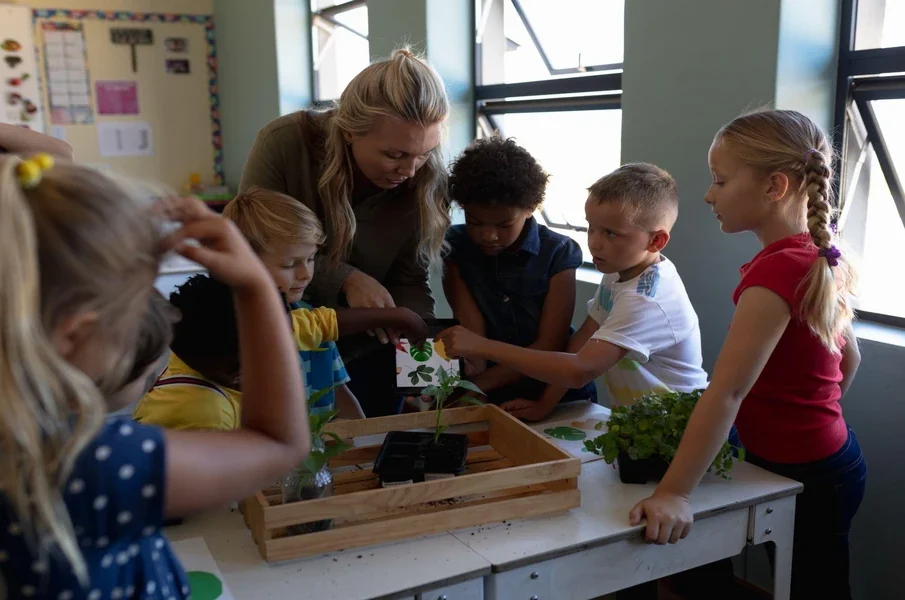
Look at the materials available in the classroom and how children use them. Open-ended resources such as blocks, loose parts, art materials, natural objects and construction pieces can encourage children to test different ideas instead of working towards one predetermined result.
The important point is not simply whether a classroom contains attractive materials. Observe whether children can make choices about how they combine, arrange or transform them.
A Yishun childcare centre that follows a Reggio Emilia-inspired philosophy may use materials as tools for thinking and communication. Educators can then extend children’s discoveries by introducing new resources or asking questions that encourage further investigation.
2. Educators Build Conversations Around Children’s Ideas
Teacher-child interaction can reveal more about a programme than displays on the walls. During a visit, listen to how educators respond when children ask questions, describe what they have made or encounter a problem.
Rather than immediately providing an answer, an educator may encourage a child to explain an idea, compare possibilities or test a solution. This type of interaction gives children room to participate actively in the learning process.
The Reggio Emilia approach in Singapore places value on children as capable learners whose thoughts can shape classroom experiences. Parents should therefore look for conversations that extend thinking instead of interactions focused mainly on instructions and correct answers.
Quick Checklist for Your Centre Visit
Use these observations to assess what happens in practice:
- Children can choose from open-ended materials rather than completing only identical activities.
- Educators ask questions that encourage children to explain or develop their thinking.
- Classroom displays show stages of learning, not only polished finished work.
- Children can revisit projects or ideas across more than one session.
- Learning spaces allow children to work independently and with others.
A single observation may not represent the entire programme, so parents can also ask educators how these practices appear across a typical week.
3. Classroom Displays Show How Learning Develops
Walls filled with artwork may look engaging, but parents should examine what the displays communicate. In a Reggio Emilia-inspired environment, documentation can show more than the final product.
You may see photographs of children working, notes about their comments, sketches, questions or examples of how an idea changed during a project. These records help educators and children revisit earlier thinking and decide where an investigation could go next.
Documentation also gives parents a clearer view of the learning process. Instead of seeing only what a child produced, families can understand the questions, decisions and conversations behind the work.
When comparing a Yishun childcare centre, ask how educators use classroom documentation and whether it influences future activities.
4. Children Can Return to Ideas Over Time
Some preschool activities begin and end within one lesson, while others develop as children continue asking questions. Reggio Emilia-inspired learning often allows an interesting idea to grow across several days or longer when children remain engaged.
For example, children who become interested in shadows might explore light sources, create drawings and compare how shadows change. The exact topic matters less than whether educators recognise sustained interest and create meaningful opportunities to extend it.
This continuity can help children connect earlier observations with new experiences. It also allows educators to respond to emerging questions rather than following an inflexible sequence of unrelated tasks.
Parents assessing the Reggio Emilia approach in Singapore can ask how projects begin, how long they usually continue and what determines whether educators extend them.
Look Beyond the Programme Label
A centre does not demonstrate its educational philosophy through terminology alone. Classroom interactions, materials, documentation and ongoing projects give parents more useful evidence of how the approach operates each day.
When visiting a Yishun childcare centre, focus on whether children have genuine opportunities to investigate, communicate and revisit their ideas. These observations can help you decide whether the learning environment matches what you expect from a Reggio Emilia-inspired programme.
Contact Apple Tree Playhouse to arrange a centre visit and observe how its Reggio Emilia-inspired classroom practices support children’s exploration, communication and developing interests.